When you step into a new building—whether it’s a residential home, office space, or commercial building—one of the most critical, yet often overlooked, systems running behind the walls is the plumbing system. But who is responsible for ensuring that water flows correctly to every faucet, toilet, or shower? Who makes sure that the pipes are laid out efficiently, safely, and to code? Designing the plumbing in a building is no small feat, and it involves a team of professionals. From architects to engineers, and often a plumber near me or a plumber in Carlsbad, several key players work together to ensure the proper design and installation of the plumbing system.
The Importance of Proper Plumbing Design
A properly designed plumbing system is vital for the functionality and safety of any building. Not only does it deliver clean water for drinking, bathing, and cooking, but it also safely disposes of wastewater. Inadequate design can result in leaks, water damage, and even health hazards such as contaminated water. That’s why the design process requires meticulous planning, knowledge of building codes, and collaboration between various professionals. Let’s take a closer look at who is involved in this crucial aspect of building design.
The Key Players in Plumbing Design
- Architects
The architect is often the first person involved in the building design process. They create the overall design and structure of the building, including where the plumbing fixtures will go. Architects work in close collaboration with engineers to ensure that the plumbing layout fits within the broader architectural plan. While they don’t design the intricate details of the plumbing system itself, they are responsible for laying the groundwork, such as bathroom and kitchen locations.
Once the architect has designed the building, it’s the job of the plumbing engineer to take over the technical aspects.
- Plumbing Engineers
Plumbing engineers are specialized mechanical engineers who focus specifically on the water supply and drainage systems within a building. They create detailed plans that outline where pipes should be placed, what materials should be used, and how water will be distributed throughout the building. These engineers are highly skilled in working with various components of a plumbing system, such as water heaters, pumps, and backflow prevention devices.
One of their primary responsibilities is to ensure that the system complies with local building codes and regulations. For instance, a plumbing engineer working on a project in Carlsbad would need to be familiar with specific state and local codes that apply to the area. At this stage, if any unforeseen complications arise, a plumber in Carlsbad might be consulted for advice on how to solve specific challenges.
- Mechanical, Electrical, and Plumbing (MEP) Consultants
In large commercial or industrial projects, MEP consultants play a significant role. These are specialists who integrate the mechanical, electrical, and plumbing systems to work together efficiently. The plumbing system is often linked to the building’s heating and ventilation systems, and the MEP consultant ensures these systems do not interfere with each other.
For instance, plumbing pipes must be installed in ways that prevent any interference with electrical wiring or HVAC ductwork. MEP consultants collaborate closely with architects and plumbing engineers to ensure that the building systems operate harmoniously.
- Contractors and Licensed Plumbers
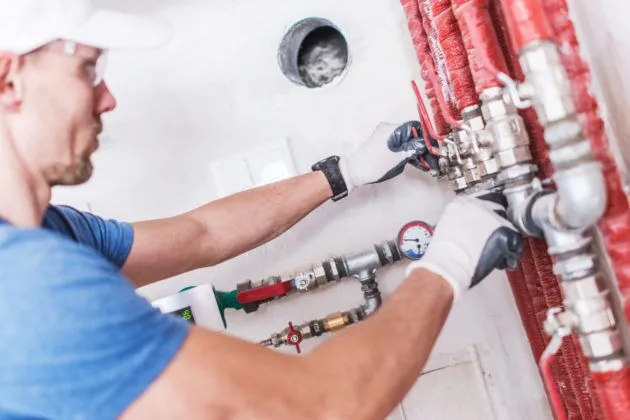
Once the plumbing design is finalized, contractors and licensed plumbers are responsible for bringing it to life. Licensed plumbers, whether hired locally through a plumber near me or through a specific contractor, physically install the plumbing system according to the engineer’s plans. In many cases, a plumber in Carlsbad will work on projects in the local area, ensuring that both installation and local code compliance are met.
It’s important to understand that plumbers bring a wealth of practical experience to the table. They may adjust designs during installation based on real-world constraints, such as unexpected obstacles within the walls or under the floor. A licensed plumber is also responsible for testing the system to ensure it functions correctly once installed.
- Inspectors
After the plumbing system is installed, it must be inspected to ensure that it adheres to all local codes and regulations. A building inspector or a plumbing inspector typically conducts this final check. Their job is to ensure that the plumbing system is safe, efficient, and built to last.
The inspector will examine everything from pipe installation to water pressure to drainage systems. Any issues discovered must be addressed before the building is deemed compliant. Sometimes, the inspector might recommend calling a plumber near me to fix any issues found during the inspection.
Conclusion: A Collaborative Process
Designing a plumbing system in a building is a collaborative process that requires the expertise of multiple professionals, including architects, plumbing engineers, MEP consultants, contractors, and licensed plumbers. Each person plays a specific role in ensuring that the plumbing system not only functions as intended but also adheres to building codes and standards.
For homeowners and businesses in Carlsbad or nearby areas, working with a trusted plumber in Carlsbad is crucial when it comes to the installation or repair of plumbing systems. Local plumbers bring invaluable knowledge about regional codes and best practices, helping to ensure that the plumbing system is both efficient and long-lasting.
If you’re planning a new building or major renovation, remember that the design and installation of the plumbing system is a critical part of the process. Ensuring that you have the right professionals involved—whether it’s an experienced plumbing engineer or a reliable plumber near me—can make all the difference in the long-term success of your project.